דלג לתוכן האתר >
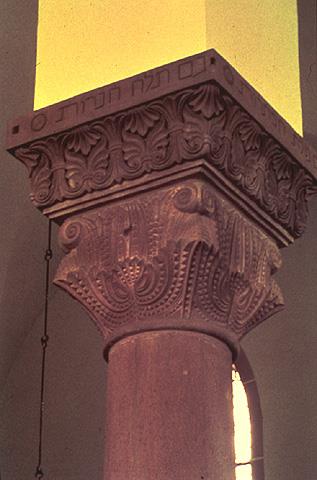
כותרת עמוד מבית הכנסת בוורמס (וורמיזא), גרמניה

קהילת יהודי וורמס

וורמס

Worms, (במקורות היהודיים ורמייזא)

עיר בריינלנד, גרמניה. 

עדויות תיעודיות מצביעות על התיישבות יהודים בווורמס בסוף המאה ה-10. הקהילה גדלה במהלך המאה ה-11, ובית כנסת נחנך בשנת 1034. בית העלמין שנשתמר מאז 1067 הוא מן העתיקים באירופה. ב-1090 העניק היינריך ה-4 ליהודי וורמס זכויות נרחבות, זהות ברובן לאמנת שהוענקה ליהודי ספייר, כגון חופש תנועה בכל רחבי הממלכה (הם נהגו לבקר בירידים של קלן), עיסוק במסחר ללא תשלום מכס, עיסוק בחלפנות ורשות להעסיק פועלים, מיניקות ושפחות מבין הנוצרים; כמו כן היו רשאים לרכוש נכסי דלא ניידי. נאסרה הטבלת ילדיהם לנצרות ללא הסכמתם, ויהודי שהמיר את דתו קיפח את חלקו בירושה. בהתדיינות בין יהודים ונוצרים רשאי היה כל צד להישפט על פי חוקי דתו. יהודי וורמס היו כפופים במישרין למלך ונהנו ממידה רבה של עצמאות בבחירת מנהיגי הקהילה. עם חכמי הדור נמנו יהודה בן ברוך, מאיר בן יצחק, יעקב בן יקר, יצחק בן אליעזר ושלמה בן שמשון, וקלונימוס בן שבתאי מרומא. שלא כחכמי מגנצא עסקו רבני ורמייזא גם בפירוש המקרא והמדרשים ובפיוט.

תקופה פריחה זו נקטעה על ידי רדיפות מסע הצלב הראשון שהתרחש במאי 1096. הצלבנים, שמוצאם מאנשי העיירה הפשוטים ואיכרים מכפרי הסביבה, תקפו את היהודים בווורמס. חלקם נהרגו בבתיהם, אחדים התאבדו, בעוד אחרים מצאו מקלט בארמונו של הבישוף עד שנכנעו ונטבחו או בחרו להרוג את ילדיהם ואז להתאבד. כ-800 איש מתו על קידוש השם. מעטים המירו את דתם, אך חזרו לחיק היהדות כעבור שנה, באישור הקיסר הנרי ה-4. אחרי זמן קצר קהילה חדשה הוקמה בוורמס. בשנת 1112 הקיסר היינריך ה-5 חידש את הפטור ממכס שאביו העניק ליהודי העיר, שזנחו בינתיים את המסחר והתרכזו יותר ויותר בהלוואות בריבית. במסע הצלב השני (1146) מצאו היהודים מקלט במצודת העיר עד שהסכנה חלפה. לאחר מכן הקהילה הלכה וגדלה.

במאה ה-13 קיבל הבישוף סמכות השיפוט בתביעות משפטיות בין יהודים לנוצרים, וגם במקרים של משפטים פליליים. הבישוף גם גבה מס בנוסף למס שגבה המלך. היהודים קיבלו את חסות המועצה העירונית והם חויבו בתמורה להגן על העיר במקרה של תקיפה. בעת המצור על וורמס, ב-1201, היהודים נטלו חלק בהגנה עליה, אך במרוצת הזמן הוחלפה הלחימה בפועל בתשלום לחיזוק הביצורים.

בינואר 1348, צ'ארלס ה-4 ויתר על כל זכויותיו המלכותיות על יהודי וורמס לטובת העירייה. הקהילה היהודית הונהגה על ידי 12 "פרנסים". הבישוף של וורמס היה ממנה אחד מהם ל"בישוף של היהודים" לכל חייו.  ה"בישוף" האחרון של היהודים נפטר ב-1792.

חכמי וורמס השתתפו במועצות הרבניים שהתכנסו בריינלנד (Rhineland), כמו גם בניסוח תקנות קהילתיות לשלוש הקהילות של שפייר (Speyer), וורמס ומיינץ (מגנצא, Mainz), שהייתה להם השפעה נרחבת על יהדות אשכנז. פוסקי ההלכה החשובים ביותר של וורמס באותה עת היו: הפייטן מנחם בן יעקב; אלעזר בן יהודה (מתלמידיו של יהודה "החסיד"), מחבר ספר "הרוקח", וברון בן מאיר ובנו מאיר (המהר"ם מרוטנבורג), אב בית הדין של וורמס (נפטר ב-1281).

ב-10 באדר ב' (1349), בשנת "המגיפה השחורה", פרצו בוורמס מהומות על ידי פורעים אנטישמיים. מספר יהודים הצליחו להימלט לזינשהיים, להיידלברג וליישובים אחרים. חברי קהילה אחרים העלו את בתיהם באש ונשרפו בתוכם או נרצחו על ידי הפורעים. רכוש היהודים הוחרם על ידי העיר, והנותר הועבר לנושי המלך על חשבון החוב שלו. הרשויות המקומיות ראו אפוא יתרון באישור התיישבות היהודים מחדש בעיר (1353-1355). ב-1427 נפטר בוורמס ר' יעקב משה מלין (המהרי"ל), שישב בעיר לעת זקנה.

הקהילה החדשה קבעה את י' באדר כיום של תענית ציבור. הקהילה החדשה לא השיגה את פאר עברה. התקוממות בעלי מלאכה בשנת 1615 גרמה ליהודים לברוח מהעיר; בית הכנסת ובית הקברות חוללו. ב-1616 ההתקוממות דוכאה על ידי המושל, והיהודים חזרו לוורמס. הפרנס הראשון של הקהילה המחודשת היה דוד יהושע אופנהיים, שהקים ב-1624 בית מדרש על שם רש"י.

בוורמס נולדו שמואל אופנהיימר ושמשון ורטהיימר ובמחצית השנייה של המאה ה-17 כיהן ברבנות משה שמשון בכרך; בימיו תיאר יפתח יוסף יוספא את עברה המפואר של הקהילה בספרו "מעשה נסים".

10 שנים לאחר שהצרפתים העלו באש את וורמס, ב-1689 הוקמה מחדש קהילת וורמס. במהלך המאות ה-18 וה-19 קהילת וורמס כבר לא דורגה בין הקהילות החשובות בגרמניה, למרות שהיא עדיין הייתה ידועה ונשארה קשורה למנהגיה העתיקים. במאה ה-19 חיו כ-800 יהודים בעיר. הוענקו להם זכויות אזרחיות יחד עם יהודי הסה (Hesse),  ובשנת 1848 יהודי נבחר לכהונת ראש העיר של וורמס.


תקופת השואה

ב-1933, ערב עליית הנאצים לשלטון, גרו בוורמס 1,016 יהודים. רבים היגרו בגלל החרם הכלכלי ורדיפות אחרות. באזור העיר הוקם מחנה ריכוז. ילדים גורשו ממוסרות החינוך הכלליים והקהילה הקימה בית ספר משלה (ב-1936). רדיפות הנאצים עוררו פעילות קהילתית בתחום חינוך מבוגרים יהודים, ולאחר גירושם של ילדים יהודים מבית הספר הציבורי, הוקם בשנת 1936 בית ספר יהודי בוורמס.

בית הכנסת העתיק ובית המדרש של רש"י נהרסו ב"ליל הבדולח" (10-9 בנובמבר, 1938); 97 יהודים נלקחו למחנות ריכוז. במאי 1939 נשארו בעיר 316 יהודים. במהלך מלחמת העולם השנייה בשנים 1942-1941 גורשו שאר יהודי וורמס למחנות ריכוז ומעטים מהם שרדו.


לאחר תום המלחמה התיישבו יהודים בודדים בווורמס, אך הקהילה לא אורגנה מחדש. שלטונות העיר שיקמו את הריסות בית הכנסת ובית המדרש (ב-1961) ושיקמו את בית הקברות העתיק.

פנקסי קהילת וורמס, מאז 1522, הועברו לארכיון הכללי לתולדות ישראל בירושלים.


Samson Wertheimer (1658-1724), court Jew, financier, scholar, sיtadlan, philanthropist and rabbi, born at Worms, Germany, and died at Vienna, Austria. He was educated at the yeshivot of Worms and Frankfurt am Main, Germany. In 1684 he married the widow of Nathan Oppenheimer and as a result came into contact with Samuel Oppenheimer who invited him to Vienna and appointed him manager of his affairs and presented him to the Emperor Leopold I.

Wertheimer became the wealthiest Jew of his day; from 1694 to 1709 Wertheimer was the chief administrator of the finances of Leopold and his two successors, Joseph I and Charles VI. In the Spanish War of Succession and the war against Turkey, Wertheimer together with Samuel Oppenheimer procured the funds needed for the equipment of the imperial army and for the supply of provisions. After Oppenheimer's death in 1703, Wertheimer found new sources of income. In 1703, the emperor appointed him court factor, and extended for twenty years his privileges of free religious worship, residency, and immunity from taxation. Joseph I., who succeeded his father in 1705, confirmed Wertheimer's title and privileges. Emperor Charles VI confirmed him as "Landesrabbiner", which the Jews of Hungary had originally bestowed on Wertheimer. According to a contemporary account of one of his relatives, Abraham Levi, Wertheimer was also called the "Juden Kaiser". Ten imperial soldiers stood as sentinels before his house. He owned several palaces in Vienna, and numerous estates and houses in Frankfurt am Main, Worms, and other cities. He established schools, and distributed large amounts of money in Europe and in the Holy Land.

Throughout his career Wertheim continued to study Talmud. He left a volume of number of drashot which he had delivered in the private synagogue in his house. Many questions and requests for advise were submitted to him and to the rabbinical court over which he presided; Moses Meir Perls, for many years Wertheimer's secretary and almoner, refers to him in his "Megillat Sefer" (1709) as "a rabbi of great congregations in Israel". In some works Wertheimer is called "rabbi of Prague and Bohemia"; but he did not accept this title. His reputation spread even to the Orient, where he was described as a "prince of the Holy Land" and given the title of "rabbi of Hebron and Safed". His native city also honored him with the title of rabbi. He and his son-in-law Moses Kann bore the greater part of the expense of printing the Babylonian Talmud at Frankfurt am Main in 1712-1722.

When Eisenmenger's anti-Semitic Entdecktes Judenthum ("Judaism disclosed") appeared at Frankfurt in 1700, Wertheimer addressed to Emperor Leopold a petition in which he exposed the grave dangers which the malicious and slanderous attack of the unscrupulous author would bring upon the Jews. Accordingly, the 2,000 copies of the book were confiscated, and for years its sale was forbidden. When the Jewish congregation of Eisenstadt had been dispersed after the Rakoczy riots in 1708, many of the wealthier members of the community had taken refuge in Vienna, Wertheimer persuaded them to return or to help their poorer brethren rebuild the congregation. He himself built a new synagogue in Eisenstadt which for many years was called "Samson's Schule". He helped to establish about forty congregations in Hungary. In Frankfurt am Main he founded and endowed a Yeshiva, whose head was his son-in-law Moses Kann.

By the marriages of his children, Wertheimer became connected with the most prominent families of Austria and Germany. His stepson Isaac Nathan Oppenheimer married a daughter of the wealthy purveyor Pösing; his eldest son, Wolf, married a daughter of Emanuel Oppenheimer. Samson's second son, Löb, married a daughter of Issachar ha-Levi Bermann of Halberstadt, a relative of Leffman Behrens, court Jew of Hanover; thus the three great "shtadlanin" were closely connected. Samson's sons-in-law were: R. Moses Kann of Frankfort-on-the-Main; Issacbar Berush Eskeles, father of the Vienna banker Bernhard Eskeles; Joseph, son of R. David Oppenheimer; and Seligmann Berend Kohn, called Solomon of Hamburg. His youngest son, Joseph Josel (b. 1718), married a daughter of his stepbrother Wolf.

Moses Wallich (d. 1739) the author of the so called “ku-buch” published in Frankfurt in 1687, which is a collection of fables in the Yiddish dialect.
enc. judaica 16:257

This most popular collection of Yiddish fables in Europe is known only in Moses Wallich's edition (Frankfurt, 1687). Its name is taken from an earlier compilation of the same name, no longer extant, which was printed in 1555 by Abraham b. Mattathias. While it apparently included parts of Mishlei Shu'alim and Meshal ha-Kadmoni, its fables are not direct translations; it also includes stories in the typical Renaissance style of Decameron. A modern German translation by R. Beatus was published by A. Freimann in 1926.
http://www.jewishvirtuallibrary.org/jsource/judaica/ejud_0002_0006_0_06225.html

Wallich, a scholar; lived at Worms in the seventeenth century. He was the author of "Sefer Meshalim" or "Kuh-Buch" (Frankfort-on-the-Main, 1687), a German collection of fables adapted from Berechiah ha-Naḳdan's "Mishle Shu'alim" and Isaac ibn Sahulah's "Mashal ha-Ḳadmoni".
http://www.jewishencyclopedia.com/articles/11161-moses-wallich

Rabbinical authority

Born in Worms of a family of scholars and communal leaders, he studied with distinguished rabbis in Wuerzburg, Mainz and France. In Paris he witnessed the public burning of the Talmud in 1242 and wrote an elegy that was incorporated in the Ashkenazi liturgy for Tisha be-Av. In 1246 he settled in Rothenburg and was recognized as the outstanding Ashkenazi rabbinical authority of his time. In 1286 Meir was imprisoned, perhaps for his role in encouraging Jews to emigrate. The Jewish community raised payment for his release but Meir would not agree, seeing it as a precedent for further blackmail. After seven years he died in prison and only seven years later was his body released in return for a huge payment and buried in Worms where his tombstone still stands. About a thousand of his responsa are extant. He also authored comments on the Talmud, some of them written while in prison.

David Ben Avraham Oppenheim (1664-1736), rabbi and bibliophile, born in Worms, Germany. He received a large fortune from his uncle, Samuel Oppenheim, and became one of the leading Jews in Germany. In 1691 he was appointed rabbi of Nikolsburg (now Mikulov, in Czech Republic) and chief rabbi of Moravia. He continued to live there until 1702 when he became chief rabbi of Prague. In 1713 Oppenheim was appointed Landesrabbiner over half of Bohemia and from 1718 over all Bohemia. Concurrently with his rabbinical duties, he engaged in business transactions which involved much traveling. Towards the end of his life, he went blind. Oppenheim was a prolific author but only his responsa and novellae were published. He also wrote a dictionary of all places mentioned in the Talmud and kabbalistic commentaries. He is especially known for his famous Hebrew library, with 7,000 books and 1,000 manuscripts. After his death it was bought by the Bodleian Library, Oxford, and became the basis of its famous collection.

גרנסהיים, פרידריך (1839-1916) , מלחין ומנצח. נולד בוורמס, גרמניה, והיה ילד פלא הן כמלחין והן כמבצע. לימד וניצח בקלן, ברוטרדם ובברלין וקידם את יצירותיו של ברהמס. באחרית ימיו לימד קומפוזיציה באקדמיה הפרוסית לאמנויות.
גרנסהיים הלחין יותר מ-100 יצירות מכל הסוגים. כתביו נמסרו לספריה הלאומית והאוניברסיטאית בירושלים. נפטר בברלין.

Yair Haim Bacharach (1628/1639-1702), rabbi and talmudist, born in Lipník nad Bečvou, Moravia(Leipnik, in German, then part of the Austrian Empire, now in the Czech Republic)into a distinguished rabbinical dynasty. His grandfather, Abraham Samuel Bacharach (1575-1615), served as rabbi in several communities in Bohemia, and later in Worms, Germany, and was the author of comments to several tractates of the Mishnah, polemical works and responsa as well as studies of astronomy and the calendar. Abraham's wife, Eva (1580-1651), was granddaughter of Rabbi Loew (Loewe) Judah ben Bezalel, the renowned Maharal of Prague. Yair Haim's father, Moses Samuel Bacharach (1607-1670), served as rabbi in Moravia, Prague, and Worms.

Bachrach moved with his family to Worms in 1653. In 1660 he was ordained as a rabbi. Six years later he was appointed rabbi of Koblenz, Germany, but for unclear reasons resigned in 1669 and returned to Worms where he devoted himself to his scholarship. In 1689 Worms was burned by the French army and Bacharach thereafter lived an unsettled life until 1699 when the Worms community was reestablished and Bacharach was elected as its rabbi.

Bacharach was originally an adherent of the movement of Shabbatai Zvi and owned a very large collection of letters and documents on this movement.

His collection of responsa, Havvot Yair, became one of the outstanding rabbinical works of its time. In it is shown not only his mastery of rabbinic literature, but also his broad knowledge of general sciences, including astronomy, mathematics and music.

WORMS, VORMS, DE WORMS, WORMUS

שמות משפחה נובעים מכמה מקורות שונים. לעיתים לאותו שם קיים יותר מהסבר אחד. שם משפחה זה הוא מסוג השמות הטופונימיים (שם הנגזר משם של מקום כגון עיירה, עיר, מחוז או ארץ). שמות אלו, אשר נובעים משמות של מקומות, לא בהכרח מעידים על קשר היסטורי ישיר לאותו מקום, אבל יכולים להצביע על קשר בלתי ישיר בין נושא השם או אבותיו לבין מקום לידה, מגורים ארעיים, אזור מסחר או קרובי משפחה.

שמות המשפחה בקבוצה זאת קשורים בשמה של העיר וורמס בגרמניה. בוורמס התקיימה אחת הקהילות הקדומות בגרמניה אשר מתועדת לראשונה במאה ה-10. בתור שם משפחה יהודי לשם וורמס, המתועד בפרנקפורט אם מיין בשנת 1485, יש מספר גרסאותך, כמו וורמזר, מתועדת בפרנקפורט אם מיין במאה ה-16; וורמסף מתועד בעיר מץ, צרפת, בשנת 1627; וורמבסר, באלזס במאה ה-18; וורמס, שם מתועד בעיירה ביונוויל במחוז מוסל, צרפת, בשנת 1762. וורמוס היא גרסה לטינית המתועדת בשנת 1747 במזרח צרפת עם חיים וורמוס, ובשנת 1891 במחוז מוזל בצפון מזרח צרפת. הגרסאות הצרפתיות כוללות את וורמיוס, המתועדת בשנת 1701 עם מרקס וורמיוס במחוז מוזל, צרפת, ואת ורמס, המתועדת בשנת 1890. יהודי בשם דה וורמס יליד פרנקפורט אם מיין, גרמניה, פיתח קריירה מוצלחת מאד בעולם הפיננסי והפוליטי של אנגליה במאה ה-19.

אישים מוכרים אשר נשאו את שמות המשפחה היהודיים בקבוצה זאת כוללים את אשר אנשל וורמס (1759-1695), רופא גרמני וסופר עברי; ואת הסוציולוג הצרפתי רנה וורמס (1926-1869), מייסד המכון הבינלאומי לסוציולוגיה בשנת 1893.
WORMSER, WORMBSER

שמות משפחה נובעים מכמה מקורות שונים. לעיתים לאותו שם קיים יותר מהסבר אחד. שם משפחה זה הוא מסוג השמות הטופונימיים (שם הנגזר משם של מקום כגון עיירה, עיר, מחוז או ארץ). שמות אלו, אשר נובעים משמות של מקומות, לא בהכרח מעידים על קשר היסטורי ישיר לאותו מקום, אבל יכולים להצביע על קשר בלתי ישיר בין נושא השם או אבותיו לבין מקום לידה, מגורים ארעיים, אזור מסחר או קרובי משפחה.

פירוש הסופית הגרמנית "-אר" הוא "מ-", "מוצאו מ-". the German city מוורמס, בוורמס התקיימה אחת הקהילות הקדומות בגרמניה אשר מתועדת לראשונה במאה ה-10. בתור שם משפחה יהודי לשם וורמס, המתועד בפרנקפורט אם מיין בשנת 1485, יש מספר גרסאותך, כמו וורמזר, מתועדת בפרנקפורט אם מיין במאה ה-16; וורמסף מתועד בעיר מץ, צרפת, בשנת 1627; וורמבסר, באלזס במאה ה-18; וורמס, שם מתועד בעיירה ביונוויל במחוז מוסל, צרפת, בשנת 1762 וורמוס היא גרסה לטינית המתועדת בשנת 1747 במזרח צרפת עם חיים וורמוס, ובשנת 1891 במחוז מוזל בצפון מזרח צרפת. הגרסאות הצרפתיות כוללות את וורמיוס, המתועדת בשנת 1701 עם מרקס וורמיוס במחוז מוזל, צרפת, ואת ורמס, המתועדת בשנת 1890.

אישים מוכרים שנשאו את שמות משפחה השייכים לקבוצת שמות זאת כוללים את סקל (יצחק) וורמסר (1847-1768) ממיכלשטט בהסן, גרמניה; וובמאה ה-20 את הבנקאי הצרפתי ג'ורג' מרסל וורמסר אשר שימש כשר בממשלת צרפת באשותו של ג'ורג' קלמנסו.
כותרת עמוד מבית הכנסת
בוורמס (וורמייזא), גרמניה.
בית הכנסת נחנך בשנת 1034,
ושופץ בשנת 1175.
(המרכז לתיעוד חזותי ע"ש אוסטר, בית התפוצות)
רחוב ברובע היהודי,
וורמס (ורמייזא), גרמניה, שנות ה-1910
(המרכז לתיעוד חזותי ע"ש אוסטר, בית התפוצות,
באדיבות אלברכט שרייבר)
מאגרי המידע של אנו
גנאלוגיה יהודית
שמות משפחה
קהילות יהודיות
תיעוד חזותי
מרכז המוזיקה היהודית
מקום
אA
אA
אA
קהילת יהודי וורמס

וורמס

Worms, (במקורות היהודיים ורמייזא)

עיר בריינלנד, גרמניה. 

עדויות תיעודיות מצביעות על התיישבות יהודים בווורמס בסוף המאה ה-10. הקהילה גדלה במהלך המאה ה-11, ובית כנסת נחנך בשנת 1034. בית העלמין שנשתמר מאז 1067 הוא מן העתיקים באירופה. ב-1090 העניק היינריך ה-4 ליהודי וורמס זכויות נרחבות, זהות ברובן לאמנת שהוענקה ליהודי ספייר, כגון חופש תנועה בכל רחבי הממלכה (הם נהגו לבקר בירידים של קלן), עיסוק במסחר ללא תשלום מכס, עיסוק בחלפנות ורשות להעסיק פועלים, מיניקות ושפחות מבין הנוצרים; כמו כן היו רשאים לרכוש נכסי דלא ניידי. נאסרה הטבלת ילדיהם לנצרות ללא הסכמתם, ויהודי שהמיר את דתו קיפח את חלקו בירושה. בהתדיינות בין יהודים ונוצרים רשאי היה כל צד להישפט על פי חוקי דתו. יהודי וורמס היו כפופים במישרין למלך ונהנו ממידה רבה של עצמאות בבחירת מנהיגי הקהילה. עם חכמי הדור נמנו יהודה בן ברוך, מאיר בן יצחק, יעקב בן יקר, יצחק בן אליעזר ושלמה בן שמשון, וקלונימוס בן שבתאי מרומא. שלא כחכמי מגנצא עסקו רבני ורמייזא גם בפירוש המקרא והמדרשים ובפיוט.

תקופה פריחה זו נקטעה על ידי רדיפות מסע הצלב הראשון שהתרחש במאי 1096. הצלבנים, שמוצאם מאנשי העיירה הפשוטים ואיכרים מכפרי הסביבה, תקפו את היהודים בווורמס. חלקם נהרגו בבתיהם, אחדים התאבדו, בעוד אחרים מצאו מקלט בארמונו של הבישוף עד שנכנעו ונטבחו או בחרו להרוג את ילדיהם ואז להתאבד. כ-800 איש מתו על קידוש השם. מעטים המירו את דתם, אך חזרו לחיק היהדות כעבור שנה, באישור הקיסר הנרי ה-4. אחרי זמן קצר קהילה חדשה הוקמה בוורמס. בשנת 1112 הקיסר היינריך ה-5 חידש את הפטור ממכס שאביו העניק ליהודי העיר, שזנחו בינתיים את המסחר והתרכזו יותר ויותר בהלוואות בריבית. במסע הצלב השני (1146) מצאו היהודים מקלט במצודת העיר עד שהסכנה חלפה. לאחר מכן הקהילה הלכה וגדלה.

במאה ה-13 קיבל הבישוף סמכות השיפוט בתביעות משפטיות בין יהודים לנוצרים, וגם במקרים של משפטים פליליים. הבישוף גם גבה מס בנוסף למס שגבה המלך. היהודים קיבלו את חסות המועצה העירונית והם חויבו בתמורה להגן על העיר במקרה של תקיפה. בעת המצור על וורמס, ב-1201, היהודים נטלו חלק בהגנה עליה, אך במרוצת הזמן הוחלפה הלחימה בפועל בתשלום לחיזוק הביצורים.

בינואר 1348, צ'ארלס ה-4 ויתר על כל זכויותיו המלכותיות על יהודי וורמס לטובת העירייה. הקהילה היהודית הונהגה על ידי 12 "פרנסים". הבישוף של וורמס היה ממנה אחד מהם ל"בישוף של היהודים" לכל חייו.  ה"בישוף" האחרון של היהודים נפטר ב-1792.

חכמי וורמס השתתפו במועצות הרבניים שהתכנסו בריינלנד (Rhineland), כמו גם בניסוח תקנות קהילתיות לשלוש הקהילות של שפייר (Speyer), וורמס ומיינץ (מגנצא, Mainz), שהייתה להם השפעה נרחבת על יהדות אשכנז. פוסקי ההלכה החשובים ביותר של וורמס באותה עת היו: הפייטן מנחם בן יעקב; אלעזר בן יהודה (מתלמידיו של יהודה "החסיד"), מחבר ספר "הרוקח", וברון בן מאיר ובנו מאיר (המהר"ם מרוטנבורג), אב בית הדין של וורמס (נפטר ב-1281).

ב-10 באדר ב' (1349), בשנת "המגיפה השחורה", פרצו בוורמס מהומות על ידי פורעים אנטישמיים. מספר יהודים הצליחו להימלט לזינשהיים, להיידלברג וליישובים אחרים. חברי קהילה אחרים העלו את בתיהם באש ונשרפו בתוכם או נרצחו על ידי הפורעים. רכוש היהודים הוחרם על ידי העיר, והנותר הועבר לנושי המלך על חשבון החוב שלו. הרשויות המקומיות ראו אפוא יתרון באישור התיישבות היהודים מחדש בעיר (1353-1355). ב-1427 נפטר בוורמס ר' יעקב משה מלין (המהרי"ל), שישב בעיר לעת זקנה.

הקהילה החדשה קבעה את י' באדר כיום של תענית ציבור. הקהילה החדשה לא השיגה את פאר עברה. התקוממות בעלי מלאכה בשנת 1615 גרמה ליהודים לברוח מהעיר; בית הכנסת ובית הקברות חוללו. ב-1616 ההתקוממות דוכאה על ידי המושל, והיהודים חזרו לוורמס. הפרנס הראשון של הקהילה המחודשת היה דוד יהושע אופנהיים, שהקים ב-1624 בית מדרש על שם רש"י.

בוורמס נולדו שמואל אופנהיימר ושמשון ורטהיימר ובמחצית השנייה של המאה ה-17 כיהן ברבנות משה שמשון בכרך; בימיו תיאר יפתח יוסף יוספא את עברה המפואר של הקהילה בספרו "מעשה נסים".

10 שנים לאחר שהצרפתים העלו באש את וורמס, ב-1689 הוקמה מחדש קהילת וורמס. במהלך המאות ה-18 וה-19 קהילת וורמס כבר לא דורגה בין הקהילות החשובות בגרמניה, למרות שהיא עדיין הייתה ידועה ונשארה קשורה למנהגיה העתיקים. במאה ה-19 חיו כ-800 יהודים בעיר. הוענקו להם זכויות אזרחיות יחד עם יהודי הסה (Hesse),  ובשנת 1848 יהודי נבחר לכהונת ראש העיר של וורמס.


תקופת השואה

ב-1933, ערב עליית הנאצים לשלטון, גרו בוורמס 1,016 יהודים. רבים היגרו בגלל החרם הכלכלי ורדיפות אחרות. באזור העיר הוקם מחנה ריכוז. ילדים גורשו ממוסרות החינוך הכלליים והקהילה הקימה בית ספר משלה (ב-1936). רדיפות הנאצים עוררו פעילות קהילתית בתחום חינוך מבוגרים יהודים, ולאחר גירושם של ילדים יהודים מבית הספר הציבורי, הוקם בשנת 1936 בית ספר יהודי בוורמס.

בית הכנסת העתיק ובית המדרש של רש"י נהרסו ב"ליל הבדולח" (10-9 בנובמבר, 1938); 97 יהודים נלקחו למחנות ריכוז. במאי 1939 נשארו בעיר 316 יהודים. במהלך מלחמת העולם השנייה בשנים 1942-1941 גורשו שאר יהודי וורמס למחנות ריכוז ומעטים מהם שרדו.


לאחר תום המלחמה התיישבו יהודים בודדים בווורמס, אך הקהילה לא אורגנה מחדש. שלטונות העיר שיקמו את הריסות בית הכנסת ובית המדרש (ב-1961) ושיקמו את בית הקברות העתיק.

פנקסי קהילת וורמס, מאז 1522, הועברו לארכיון הכללי לתולדות ישראל בירושלים.


חובר ע"י חוקרים של אנו מוזיאון העם היהודי
שמשון ורטהיימר

Samson Wertheimer (1658-1724), court Jew, financier, scholar, sיtadlan, philanthropist and rabbi, born at Worms, Germany, and died at Vienna, Austria. He was educated at the yeshivot of Worms and Frankfurt am Main, Germany. In 1684 he married the widow of Nathan Oppenheimer and as a result came into contact with Samuel Oppenheimer who invited him to Vienna and appointed him manager of his affairs and presented him to the Emperor Leopold I.

Wertheimer became the wealthiest Jew of his day; from 1694 to 1709 Wertheimer was the chief administrator of the finances of Leopold and his two successors, Joseph I and Charles VI. In the Spanish War of Succession and the war against Turkey, Wertheimer together with Samuel Oppenheimer procured the funds needed for the equipment of the imperial army and for the supply of provisions. After Oppenheimer's death in 1703, Wertheimer found new sources of income. In 1703, the emperor appointed him court factor, and extended for twenty years his privileges of free religious worship, residency, and immunity from taxation. Joseph I., who succeeded his father in 1705, confirmed Wertheimer's title and privileges. Emperor Charles VI confirmed him as "Landesrabbiner", which the Jews of Hungary had originally bestowed on Wertheimer. According to a contemporary account of one of his relatives, Abraham Levi, Wertheimer was also called the "Juden Kaiser". Ten imperial soldiers stood as sentinels before his house. He owned several palaces in Vienna, and numerous estates and houses in Frankfurt am Main, Worms, and other cities. He established schools, and distributed large amounts of money in Europe and in the Holy Land.

Throughout his career Wertheim continued to study Talmud. He left a volume of number of drashot which he had delivered in the private synagogue in his house. Many questions and requests for advise were submitted to him and to the rabbinical court over which he presided; Moses Meir Perls, for many years Wertheimer's secretary and almoner, refers to him in his "Megillat Sefer" (1709) as "a rabbi of great congregations in Israel". In some works Wertheimer is called "rabbi of Prague and Bohemia"; but he did not accept this title. His reputation spread even to the Orient, where he was described as a "prince of the Holy Land" and given the title of "rabbi of Hebron and Safed". His native city also honored him with the title of rabbi. He and his son-in-law Moses Kann bore the greater part of the expense of printing the Babylonian Talmud at Frankfurt am Main in 1712-1722.

When Eisenmenger's anti-Semitic Entdecktes Judenthum ("Judaism disclosed") appeared at Frankfurt in 1700, Wertheimer addressed to Emperor Leopold a petition in which he exposed the grave dangers which the malicious and slanderous attack of the unscrupulous author would bring upon the Jews. Accordingly, the 2,000 copies of the book were confiscated, and for years its sale was forbidden. When the Jewish congregation of Eisenstadt had been dispersed after the Rakoczy riots in 1708, many of the wealthier members of the community had taken refuge in Vienna, Wertheimer persuaded them to return or to help their poorer brethren rebuild the congregation. He himself built a new synagogue in Eisenstadt which for many years was called "Samson's Schule". He helped to establish about forty congregations in Hungary. In Frankfurt am Main he founded and endowed a Yeshiva, whose head was his son-in-law Moses Kann.

By the marriages of his children, Wertheimer became connected with the most prominent families of Austria and Germany. His stepson Isaac Nathan Oppenheimer married a daughter of the wealthy purveyor Pösing; his eldest son, Wolf, married a daughter of Emanuel Oppenheimer. Samson's second son, Löb, married a daughter of Issachar ha-Levi Bermann of Halberstadt, a relative of Leffman Behrens, court Jew of Hanover; thus the three great "shtadlanin" were closely connected. Samson's sons-in-law were: R. Moses Kann of Frankfort-on-the-Main; Issacbar Berush Eskeles, father of the Vienna banker Bernhard Eskeles; Joseph, son of R. David Oppenheimer; and Seligmann Berend Kohn, called Solomon of Hamburg. His youngest son, Joseph Josel (b. 1718), married a daughter of his stepbrother Wolf.

משה בן אליעזר וואליך

Moses Wallich (d. 1739) the author of the so called “ku-buch” published in Frankfurt in 1687, which is a collection of fables in the Yiddish dialect.
enc. judaica 16:257

This most popular collection of Yiddish fables in Europe is known only in Moses Wallich's edition (Frankfurt, 1687). Its name is taken from an earlier compilation of the same name, no longer extant, which was printed in 1555 by Abraham b. Mattathias. While it apparently included parts of Mishlei Shu'alim and Meshal ha-Kadmoni, its fables are not direct translations; it also includes stories in the typical Renaissance style of Decameron. A modern German translation by R. Beatus was published by A. Freimann in 1926.
http://www.jewishvirtuallibrary.org/jsource/judaica/ejud_0002_0006_0_06225.html

Wallich, a scholar; lived at Worms in the seventeenth century. He was the author of "Sefer Meshalim" or "Kuh-Buch" (Frankfort-on-the-Main, 1687), a German collection of fables adapted from Berechiah ha-Naḳdan's "Mishle Shu'alim" and Isaac ibn Sahulah's "Mashal ha-Ḳadmoni".
http://www.jewishencyclopedia.com/articles/11161-moses-wallich

בן ברוך, מאיר מרוטנבורג (המהר"ם)
Rabbinical authority

Born in Worms of a family of scholars and communal leaders, he studied with distinguished rabbis in Wuerzburg, Mainz and France. In Paris he witnessed the public burning of the Talmud in 1242 and wrote an elegy that was incorporated in the Ashkenazi liturgy for Tisha be-Av. In 1246 he settled in Rothenburg and was recognized as the outstanding Ashkenazi rabbinical authority of his time. In 1286 Meir was imprisoned, perhaps for his role in encouraging Jews to emigrate. The Jewish community raised payment for his release but Meir would not agree, seeing it as a precedent for further blackmail. After seven years he died in prison and only seven years later was his body released in return for a huge payment and buried in Worms where his tombstone still stands. About a thousand of his responsa are extant. He also authored comments on the Talmud, some of them written while in prison.
Oppenheim, David Ben Avraham

David Ben Avraham Oppenheim (1664-1736), rabbi and bibliophile, born in Worms, Germany. He received a large fortune from his uncle, Samuel Oppenheim, and became one of the leading Jews in Germany. In 1691 he was appointed rabbi of Nikolsburg (now Mikulov, in Czech Republic) and chief rabbi of Moravia. He continued to live there until 1702 when he became chief rabbi of Prague. In 1713 Oppenheim was appointed Landesrabbiner over half of Bohemia and from 1718 over all Bohemia. Concurrently with his rabbinical duties, he engaged in business transactions which involved much traveling. Towards the end of his life, he went blind. Oppenheim was a prolific author but only his responsa and novellae were published. He also wrote a dictionary of all places mentioned in the Talmud and kabbalistic commentaries. He is especially known for his famous Hebrew library, with 7,000 books and 1,000 manuscripts. After his death it was bought by the Bodleian Library, Oxford, and became the basis of its famous collection.

פרידריך גרנסהיים
גרנסהיים, פרידריך (1839-1916) , מלחין ומנצח. נולד בוורמס, גרמניה, והיה ילד פלא הן כמלחין והן כמבצע. לימד וניצח בקלן, ברוטרדם ובברלין וקידם את יצירותיו של ברהמס. באחרית ימיו לימד קומפוזיציה באקדמיה הפרוסית לאמנויות.
גרנסהיים הלחין יותר מ-100 יצירות מכל הסוגים. כתביו נמסרו לספריה הלאומית והאוניברסיטאית בירושלים. נפטר בברלין.
יאיר חיים בכרך

Yair Haim Bacharach (1628/1639-1702), rabbi and talmudist, born in Lipník nad Bečvou, Moravia(Leipnik, in German, then part of the Austrian Empire, now in the Czech Republic)into a distinguished rabbinical dynasty. His grandfather, Abraham Samuel Bacharach (1575-1615), served as rabbi in several communities in Bohemia, and later in Worms, Germany, and was the author of comments to several tractates of the Mishnah, polemical works and responsa as well as studies of astronomy and the calendar. Abraham's wife, Eva (1580-1651), was granddaughter of Rabbi Loew (Loewe) Judah ben Bezalel, the renowned Maharal of Prague. Yair Haim's father, Moses Samuel Bacharach (1607-1670), served as rabbi in Moravia, Prague, and Worms.

Bachrach moved with his family to Worms in 1653. In 1660 he was ordained as a rabbi. Six years later he was appointed rabbi of Koblenz, Germany, but for unclear reasons resigned in 1669 and returned to Worms where he devoted himself to his scholarship. In 1689 Worms was burned by the French army and Bacharach thereafter lived an unsettled life until 1699 when the Worms community was reestablished and Bacharach was elected as its rabbi.

Bacharach was originally an adherent of the movement of Shabbatai Zvi and owned a very large collection of letters and documents on this movement.

His collection of responsa, Havvot Yair, became one of the outstanding rabbinical works of its time. In it is shown not only his mastery of rabbinic literature, but also his broad knowledge of general sciences, including astronomy, mathematics and music.

וורמס
WORMS, VORMS, DE WORMS, WORMUS

שמות משפחה נובעים מכמה מקורות שונים. לעיתים לאותו שם קיים יותר מהסבר אחד. שם משפחה זה הוא מסוג השמות הטופונימיים (שם הנגזר משם של מקום כגון עיירה, עיר, מחוז או ארץ). שמות אלו, אשר נובעים משמות של מקומות, לא בהכרח מעידים על קשר היסטורי ישיר לאותו מקום, אבל יכולים להצביע על קשר בלתי ישיר בין נושא השם או אבותיו לבין מקום לידה, מגורים ארעיים, אזור מסחר או קרובי משפחה.

שמות המשפחה בקבוצה זאת קשורים בשמה של העיר וורמס בגרמניה. בוורמס התקיימה אחת הקהילות הקדומות בגרמניה אשר מתועדת לראשונה במאה ה-10. בתור שם משפחה יהודי לשם וורמס, המתועד בפרנקפורט אם מיין בשנת 1485, יש מספר גרסאותך, כמו וורמזר, מתועדת בפרנקפורט אם מיין במאה ה-16; וורמסף מתועד בעיר מץ, צרפת, בשנת 1627; וורמבסר, באלזס במאה ה-18; וורמס, שם מתועד בעיירה ביונוויל במחוז מוסל, צרפת, בשנת 1762. וורמוס היא גרסה לטינית המתועדת בשנת 1747 במזרח צרפת עם חיים וורמוס, ובשנת 1891 במחוז מוזל בצפון מזרח צרפת. הגרסאות הצרפתיות כוללות את וורמיוס, המתועדת בשנת 1701 עם מרקס וורמיוס במחוז מוזל, צרפת, ואת ורמס, המתועדת בשנת 1890. יהודי בשם דה וורמס יליד פרנקפורט אם מיין, גרמניה, פיתח קריירה מוצלחת מאד בעולם הפיננסי והפוליטי של אנגליה במאה ה-19.

אישים מוכרים אשר נשאו את שמות המשפחה היהודיים בקבוצה זאת כוללים את אשר אנשל וורמס (1759-1695), רופא גרמני וסופר עברי; ואת הסוציולוג הצרפתי רנה וורמס (1926-1869), מייסד המכון הבינלאומי לסוציולוגיה בשנת 1893.
וורמזר
WORMSER, WORMBSER

שמות משפחה נובעים מכמה מקורות שונים. לעיתים לאותו שם קיים יותר מהסבר אחד. שם משפחה זה הוא מסוג השמות הטופונימיים (שם הנגזר משם של מקום כגון עיירה, עיר, מחוז או ארץ). שמות אלו, אשר נובעים משמות של מקומות, לא בהכרח מעידים על קשר היסטורי ישיר לאותו מקום, אבל יכולים להצביע על קשר בלתי ישיר בין נושא השם או אבותיו לבין מקום לידה, מגורים ארעיים, אזור מסחר או קרובי משפחה.

פירוש הסופית הגרמנית "-אר" הוא "מ-", "מוצאו מ-". the German city מוורמס, בוורמס התקיימה אחת הקהילות הקדומות בגרמניה אשר מתועדת לראשונה במאה ה-10. בתור שם משפחה יהודי לשם וורמס, המתועד בפרנקפורט אם מיין בשנת 1485, יש מספר גרסאותך, כמו וורמזר, מתועדת בפרנקפורט אם מיין במאה ה-16; וורמסף מתועד בעיר מץ, צרפת, בשנת 1627; וורמבסר, באלזס במאה ה-18; וורמס, שם מתועד בעיירה ביונוויל במחוז מוסל, צרפת, בשנת 1762 וורמוס היא גרסה לטינית המתועדת בשנת 1747 במזרח צרפת עם חיים וורמוס, ובשנת 1891 במחוז מוזל בצפון מזרח צרפת. הגרסאות הצרפתיות כוללות את וורמיוס, המתועדת בשנת 1701 עם מרקס וורמיוס במחוז מוזל, צרפת, ואת ורמס, המתועדת בשנת 1890.

אישים מוכרים שנשאו את שמות משפחה השייכים לקבוצת שמות זאת כוללים את סקל (יצחק) וורמסר (1847-1768) ממיכלשטט בהסן, גרמניה; וובמאה ה-20 את הבנקאי הצרפתי ג'ורג' מרסל וורמסר אשר שימש כשר בממשלת צרפת באשותו של ג'ורג' קלמנסו.
כותרת עמוד מבית הכנסת בוורמס (וורמיזא), גרמניה
כותרת עמוד מבית הכנסת
בוורמס (וורמייזא), גרמניה.
בית הכנסת נחנך בשנת 1034,
ושופץ בשנת 1175.
(המרכז לתיעוד חזותי ע"ש אוסטר, בית התפוצות)
רחוב ברובע היהודי, וורמס (ורמייזא), גרמניה, שנות ה-1910
רחוב ברובע היהודי,
וורמס (ורמייזא), גרמניה, שנות ה-1910
(המרכז לתיעוד חזותי ע"ש אוסטר, בית התפוצות,
באדיבות אלברכט שרייבר)