דלג לתוכן האתר >
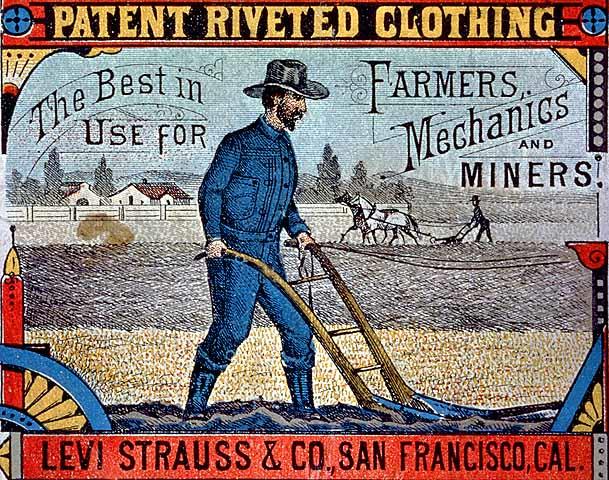
פרסומת לסרבלים מתוצרת לוי שטראוס ושות', סן פרנציסקו, המאה ה-19

קהילת יהודי סאן-פראנסיסקו

סאן-פרנסיסקו

עיר במדינת קאליפורניה, ארצות הברית.


ברבע השני של המאה ה-19 היה בסאן פרנסיסקו יישוב יהודי קטן. מספר היהודים בעיר גדל בעת בהלת הזהב של שנות 1850-1849. יהודים רבים באו בעקבות הכורים, סובבו במחנות הכורים ומכרו להם מזון, דברי הלבשה וציוד (הצליח מכולם לוי שטראוס, אבי מכנסי הג'ינס המפורסמים). היו יהודים שפנו לגידול עופות וירקות, ובאחד הכפרים בקירבת העיר (פאטאלומה) נמצא יישוב חקלאי יהודי עד היום.

ב-1850 התארגנו בקהילה עדת "שארית ישראל" של יוצאי פולין ואנגליה ועדת "עמנואל" של יוצאי גרמניה, וכל אחת מהן הקימה אגודות ומוסדות משלה. יוליוס אקמאן, רבה הראשון של "עמנואל", פרש מתפקידו בגלל התנגדותו לתנועת הרפורמה והתחיל לפרסם את השבועון היהודי הראשון במערב הרחוק; הוא גם ניהל בית-ספר משלו.

יהודי המקום השתלבו מן ההתחלה בחיי הציבור ובכלכלה בעיר. צאצאי המשפחות המייסדות ממשיכים בניהול העסקים הוותיקים ובמסורת השירות לציבור עד היום הזה. הוא הדין לגבי צאצאי המהגרים ממזרח-אירופה בתחילת המאה; שממשיכים לנהל את המוסדות והארגונים שהקימו אבותיהם.

ב-1969 היו בסאן פרנסיסקו 13 עדות יהודיות מכל הזרמים, ביניהן עדת הספרדים "מגן דוד" ועדת "בני אמונה" של יוצאי גרמניה, שבילו את שנות המלחמה בשאנחאי. בעיר התקיימו מגביות מאוחדות למוסדות מקומיים דוגמת חמשת המרכזים הקהילתיים, מושב-זקנים, בית- חולים, חברת גמילות-חסדים, שירותי משפחה ובטחון הקהילה, ארגונים ארציים וציוניים.

היהודים בולטים בתחומי האמנות, במקצועות החופשיים, בענפי המסחר והבנקאות ובתעשייה הקלה. רבים מכהנים במערכת המשפט והמימשל המקומי. לא מעטים בעיר המקומות הציבוריים והאנדרטות על שמות יהודים מחשובי המקום.

ב-1976 התגוררו בסאן פרנסיסקו, לפי אומדן, 75,000 יהודים בעיר עצמה, ועוד 22,000 בשטח המטרופולין.

בסאן- פרנסיסקו יושב גם קונסול כללי של מדינת ישראל.

בשנת 1997 התגוררו בסאן פרנסיסקו כולה 210,000 יהודים.

פסנתרנית. נולדה בסן-פרנציסקו, קליפורניה (ארה"ב), והייתה אחותם של הפסנתרנית חפציבה והכנר יהודי מנוחין. למדה אצל מרסל צ'אמפי (Ciampi) בפריס ואצל קרל פרידברג בניו-יורק. הופיעה לעתים קרובות כסולנית, אך התפרסמה, בעיקר, כנגנית של מוסיקה קאמרית.

פרדריק יעקבי (1891-1952) מלחין. נולד בסן-פרנציסקו, קליפורניה, ולמד מוסיקה בניו-יורק אצל גולדמרק, וכן בברלין. בשנים 1917-1913 הועסק כעוזר מנצח במטרופוליטן אופרה בניו-יורק ואחר כך יצא לחיות בקרב האינדיאנים בני שבט הפואבלו, כדי לחקור את מורשתם המוסיקלית. בעקבות המחקר, חיבר מספר יצירות המבוססות על נעימות אינדיאניות, וביניהן רביעיית כלי קשת על נושאים אינדיאניים (1924) ומחולות אינדיאניים לתזמורת (1928). בתקופה מאוחרת שילב ביצירותיו אלמנטים מוסיקליים קלאסיים, רומנטיים ומודרניים (למשל, ברביעיית כלי קשת מס' 2, 1933, ובקונצ'רטינו לפסנתר ולתזמורת כלי קשת, 1946). בשלהי חייו חיבר יצירות העל נושאים יהודיים ומיועדות לטקסים בבית הכנסת. נפטר בניו-יורק.

פסנתרנית. נולדה בסן-פרנציסקו, קליפורניה (ארה"ב), והייתה אחותם של הפסנתרנית יאלטה והכנר יהודי מנוחין. למדה בסן-פרנציסקו ואחר כך בפריס אצל מרסל צ'אמפי (Ciampi). הופיעה לראשונה בסן-פרנציסקו ב-1928. ב-1934 הופיעה לראשונה עם אחיה בפריס, וכך עשתה ברסיטלים רבים בשנים הבאות. ב-1938 השתקעה באוסטרליה. נפטרה בלונדון, אנגליה.

Saul Zaentz (1921-2013), an independent film producer who adapted literary works for the screen and won best-picture Academy Awards for “One Flew Over the Cuckoo’s Nest,” “Amadeus” and “The English Patient”, born in Passaic, New Jersey USA, one of five children of Morris and Goldie Zaentz, Jewish refugees from a shtetl in eastern Poland.

Zaentz ran away from home at 15, sold peanuts at ballgames in St. Louis, made a little money gambling and traveled around the USA, hitchhiking and riding freight trains. He enlisted in the army in World War II and served in Africa, Europe and the Pacific. After the war he studied at Rutgers University, worked on a chicken farm and took a business course in St. Louis. He settled in San Francisco in 1950 and began working for a record distributor. In 1955 he was hired as a salesman by Fantasy Records, a label whose roster included the jazz pianist Dave Brubeck, the poet Allen Ginsberg and the comedian Lenny Bruce. He also managed tours for Duke Ellington, Stan Getz and others.

Zaentz was over 50 when he began making films, after having already made a fortune in the music business from the success of the rock group Creedence Clearwater Revival and the acquisition of a formidable jazz catalog. In a business driven by celebrity stars and box-office profits, he staked his reputation and his money on serious, intelligent films, often based on offbeat prizewinning books or plays, featuring rising stars and relatively untested directors passionate about the collaboration.

His major hits (each a decade apart), “Cuckoo’s Nest” (1975), “Amadeus” (1984) and “The English Patient” (1996), won 22 Oscars for his actors, actresses, directors and other contributors. And on Oscar night in 1997, Zaentz won the Irving G. Thalberg Memorial Award for lifetime achievement and his third best-picture award. It crowned a career and an evening of triumph, with nine Academy Awards conferred on “The English Patient”. Zaentz financed his own pictures when possible to retain creative control, selected his own stars and directors, and shot on location to capture the beauties of an African desert, a ruined Tuscan monastery or the jungles of Central America. Colleagues said he did not interfere with his artists’ work.

Levi Strauss (1829-1902), businessman and founder of company which made blue jeans, born as Löb Strauß in Buttenheim, Germany. His father died of tuberculosis when Strauss was aged sixteen. Two years later, at the age of eighteen, Strauss, his mother and two sisters went to the United States to join his brothers Jonas and Louis, who had begun a wholesale dry goods business in New York City called J. Strauss Brother & Co. Levi went to live in Louisville and sold his brothers' products throughout Kentucky. The family then decided to open a West Coast branch in San Francisco. Levi was chosen to represent the family and he took a steamship for San Francisco, arriving in early March 1853, where he joined his sister's family who already lived there.

Around 1872, Levi received a letter from one of his customers, Jacob Davis, a tailor from Reno, Nevada. In his letter, Davis disclosed the unique way he made pants for his customers, through the use of rivets at points of strain to make them last longer. Davis wanted to patent this new idea, but needed a business partner to get the idea off the ground. Levi was enthusiastic about the idea. The patent was granted to both men on May 20, 1873; the day the blue jean was born.
Levi carried on other business pursuits during his career, as well. He became a charter member and treasurer of the San Francisco Board of Trade in 1877. He was a director of the Nevada Bank, the Liverpool, London and Globe Insurance Company and the San Francisco Gas and Electric Company. In 1875, Levi and two associates purchased the Mission and Pacific Woolen Mills.

He was also one of the city’s greatest philanthropists. Levi was a contributor to the Pacific Hebrew Orphan Asylum and Home, the Eureka Benevolent Society and the Hebrew Board of Relief. In 1897, Levi provided the funds for twenty-eight scholarships at the University of California, Berkeley, all of which are still in place today. He died in San Francisco.

Carl Djerassi (1923- 2015), a chemist, novelist, and playwright, born in Vienna, Austria. Djerassi spent his childhood in Sofia, Bulgaria. At the age of 14 he moved along with his mother to Vienna. Following the German anexation of Austria in 1938, he returned to Bulgaria, and a year later immigrated to the USA. Djerassi attended the Newark Junior College and then Tarkio college, he then studied chemistry at Kenyon College in Gambier, OH. He started his academic carreer in Mexico City in 1942, then he was professor of chemistry at Wayne State University in Detroit. From 1960 he was professor of Chemistry at Stanford University and then he was president of Syntex Research in Palo Alto, CA.

Djerassi is best known for his contribution to the development of contraceptive pills. Along with Mexican Luis E. Miramontes and Mexican-Hungarian George Rosenkranz, he was one of the inventors in 1951. He continued his scientific work during the 1960s and 1970s.

Djerassi authored four autobiographies, the most recent of which, "In Retrospect", was published in 2014. He wrote a number of plays.

Joel Samuel Polack (1807-1882), one of the first Jewish settlers of New Zealand, born in London, England, of well-to-do Jewish parents. He was educated privately in England and in Europe.

In his early twenties he left England to embark on a life of globetrotting which brought him to New Zealand in 1831. He had been an artist in Europe, a gold miner in California, a commissariat and ordnance officer in South Africa, and a ship's chandler in Australia. Then in 1831 he sailed from Sydney for New Zealand and spent two unsatisfactory years before going into business at Kororareka, at that time an unruly and turbulent settlement where Maori-Pakeha relations were frequently dangerously strained. At this time he began to be interested in the purchase of land as an investor. He bought about 1,100 acres of land, and paid the relatively high price of £6 10s. an acre for some of it.

Polack did well at Kororareka, mainly because of his uncanny knack of coping amicably with Maoris in all their moods and quickly learned to speak their language. He went into business at Kororareka in flax, timber and brewing. He made journeys along the coastal areas of Northland, Bay of Plenty and East Coast. He also wrote, drew, and fought two duels.

Returning to England in 1837 he advocated British intervention and colonization for New Zealand. While in London, as a member of the Colonial Society, he gave evidence in 1838 before a Select Committee of the House of Lords, stating a case for the colonization of New Zealand. His views were well received. Polack returned to New Zealand after the proclamation of British sovereignty, and settled in Auckland. In 1842 he auctioned some of his New Zealand land and migrated again. His Bay of Islands business suffered with the transfer of the capital to Auckland and from the Northern Wars, when his property and records were burnt. He spent the years 1845–1850 running a business in Auckland before permanently departing for California, USA.

He died in San Francisco on April 17, 1882.

אדוארד רמיני (1830-1898) כנר. נולד במיסקולק, הונגריה, ולמד בווינה. היה מעורב בהתקוממות ההונגרית נגד האימפריה האוסטרית ב-1848, ובעקבות מפלתה ברח לארה"ב. לימים, הופיע ברחבי גרמניה בליווי ברהמס. מניחים שהביצועים שלו לנעימות צועניות השפיעו על ברהמס בכתיבת היצירה מחולות הונגריים. בשנים 1859-1854 היה כנר סולן בחצרה של המלכה ויקטוריה באנגליה. ב-1860 זכה בחנינה מטעם שלטונות אוסטריה ונעשה כנר סולן בחצרו של הקיסר. התישב בארה"ב ב-1878. הלחין קונצ'רטו לכינור ושכתב לכינור מוסיקה לפסנתר מאת שופן. נפטר בסן-פרנציסקו, קליפורניה.

כרטיס ביקור המפרסם סרבלים מתוצרת חברת לוי שטראוס ושות'
סן פרנציסקו, ארה"ב, שלהי המאה ה-19.
(סן פרנציסקו, חברת לוי שטראוס ושות')
בית הכנסת "היכל ישראל" קולג' קופר,
סן פרנציסקו, קליפורניה.
גלויה 1910 בקירוב.
(תל אביב, אוסף משפחת גרוס)
מאגרי המידע של אנו
גנאלוגיה יהודית
שמות משפחה
קהילות יהודיות
תיעוד חזותי
מרכז המוזיקה היהודית
מקום
אA
אA
אA
קהילת יהודי סאן-פראנסיסקו
סאן-פרנסיסקו

עיר במדינת קאליפורניה, ארצות הברית.


ברבע השני של המאה ה-19 היה בסאן פרנסיסקו יישוב יהודי קטן. מספר היהודים בעיר גדל בעת בהלת הזהב של שנות 1850-1849. יהודים רבים באו בעקבות הכורים, סובבו במחנות הכורים ומכרו להם מזון, דברי הלבשה וציוד (הצליח מכולם לוי שטראוס, אבי מכנסי הג'ינס המפורסמים). היו יהודים שפנו לגידול עופות וירקות, ובאחד הכפרים בקירבת העיר (פאטאלומה) נמצא יישוב חקלאי יהודי עד היום.

ב-1850 התארגנו בקהילה עדת "שארית ישראל" של יוצאי פולין ואנגליה ועדת "עמנואל" של יוצאי גרמניה, וכל אחת מהן הקימה אגודות ומוסדות משלה. יוליוס אקמאן, רבה הראשון של "עמנואל", פרש מתפקידו בגלל התנגדותו לתנועת הרפורמה והתחיל לפרסם את השבועון היהודי הראשון במערב הרחוק; הוא גם ניהל בית-ספר משלו.

יהודי המקום השתלבו מן ההתחלה בחיי הציבור ובכלכלה בעיר. צאצאי המשפחות המייסדות ממשיכים בניהול העסקים הוותיקים ובמסורת השירות לציבור עד היום הזה. הוא הדין לגבי צאצאי המהגרים ממזרח-אירופה בתחילת המאה; שממשיכים לנהל את המוסדות והארגונים שהקימו אבותיהם.

ב-1969 היו בסאן פרנסיסקו 13 עדות יהודיות מכל הזרמים, ביניהן עדת הספרדים "מגן דוד" ועדת "בני אמונה" של יוצאי גרמניה, שבילו את שנות המלחמה בשאנחאי. בעיר התקיימו מגביות מאוחדות למוסדות מקומיים דוגמת חמשת המרכזים הקהילתיים, מושב-זקנים, בית- חולים, חברת גמילות-חסדים, שירותי משפחה ובטחון הקהילה, ארגונים ארציים וציוניים.

היהודים בולטים בתחומי האמנות, במקצועות החופשיים, בענפי המסחר והבנקאות ובתעשייה הקלה. רבים מכהנים במערכת המשפט והמימשל המקומי. לא מעטים בעיר המקומות הציבוריים והאנדרטות על שמות יהודים מחשובי המקום.

ב-1976 התגוררו בסאן פרנסיסקו, לפי אומדן, 75,000 יהודים בעיר עצמה, ועוד 22,000 בשטח המטרופולין.

בסאן- פרנסיסקו יושב גם קונסול כללי של מדינת ישראל.

בשנת 1997 התגוררו בסאן פרנסיסקו כולה 210,000 יהודים.
חובר ע"י חוקרים של אנו מוזיאון העם היהודי
יאלטה מנוחין
פסנתרנית. נולדה בסן-פרנציסקו, קליפורניה (ארה"ב), והייתה אחותם של הפסנתרנית חפציבה והכנר יהודי מנוחין. למדה אצל מרסל צ'אמפי (Ciampi) בפריס ואצל קרל פרידברג בניו-יורק. הופיעה לעתים קרובות כסולנית, אך התפרסמה, בעיקר, כנגנית של מוסיקה קאמרית.
פרדריק יעקבי

פרדריק יעקבי (1891-1952) מלחין. נולד בסן-פרנציסקו, קליפורניה, ולמד מוסיקה בניו-יורק אצל גולדמרק, וכן בברלין. בשנים 1917-1913 הועסק כעוזר מנצח במטרופוליטן אופרה בניו-יורק ואחר כך יצא לחיות בקרב האינדיאנים בני שבט הפואבלו, כדי לחקור את מורשתם המוסיקלית. בעקבות המחקר, חיבר מספר יצירות המבוססות על נעימות אינדיאניות, וביניהן רביעיית כלי קשת על נושאים אינדיאניים (1924) ומחולות אינדיאניים לתזמורת (1928). בתקופה מאוחרת שילב ביצירותיו אלמנטים מוסיקליים קלאסיים, רומנטיים ומודרניים (למשל, ברביעיית כלי קשת מס' 2, 1933, ובקונצ'רטינו לפסנתר ולתזמורת כלי קשת, 1946). בשלהי חייו חיבר יצירות העל נושאים יהודיים ומיועדות לטקסים בבית הכנסת. נפטר בניו-יורק.

חפציבה מנוחין
פסנתרנית. נולדה בסן-פרנציסקו, קליפורניה (ארה"ב), והייתה אחותם של הפסנתרנית יאלטה והכנר יהודי מנוחין. למדה בסן-פרנציסקו ואחר כך בפריס אצל מרסל צ'אמפי (Ciampi). הופיעה לראשונה בסן-פרנציסקו ב-1928. ב-1934 הופיעה לראשונה עם אחיה בפריס, וכך עשתה ברסיטלים רבים בשנים הבאות. ב-1938 השתקעה באוסטרליה. נפטרה בלונדון, אנגליה.
שאול זאינץ

Saul Zaentz (1921-2013), an independent film producer who adapted literary works for the screen and won best-picture Academy Awards for “One Flew Over the Cuckoo’s Nest,” “Amadeus” and “The English Patient”, born in Passaic, New Jersey USA, one of five children of Morris and Goldie Zaentz, Jewish refugees from a shtetl in eastern Poland.

Zaentz ran away from home at 15, sold peanuts at ballgames in St. Louis, made a little money gambling and traveled around the USA, hitchhiking and riding freight trains. He enlisted in the army in World War II and served in Africa, Europe and the Pacific. After the war he studied at Rutgers University, worked on a chicken farm and took a business course in St. Louis. He settled in San Francisco in 1950 and began working for a record distributor. In 1955 he was hired as a salesman by Fantasy Records, a label whose roster included the jazz pianist Dave Brubeck, the poet Allen Ginsberg and the comedian Lenny Bruce. He also managed tours for Duke Ellington, Stan Getz and others.

Zaentz was over 50 when he began making films, after having already made a fortune in the music business from the success of the rock group Creedence Clearwater Revival and the acquisition of a formidable jazz catalog. In a business driven by celebrity stars and box-office profits, he staked his reputation and his money on serious, intelligent films, often based on offbeat prizewinning books or plays, featuring rising stars and relatively untested directors passionate about the collaboration.

His major hits (each a decade apart), “Cuckoo’s Nest” (1975), “Amadeus” (1984) and “The English Patient” (1996), won 22 Oscars for his actors, actresses, directors and other contributors. And on Oscar night in 1997, Zaentz won the Irving G. Thalberg Memorial Award for lifetime achievement and his third best-picture award. It crowned a career and an evening of triumph, with nine Academy Awards conferred on “The English Patient”. Zaentz financed his own pictures when possible to retain creative control, selected his own stars and directors, and shot on location to capture the beauties of an African desert, a ruined Tuscan monastery or the jungles of Central America. Colleagues said he did not interfere with his artists’ work.

לוי שטראוס

Levi Strauss (1829-1902), businessman and founder of company which made blue jeans, born as Löb Strauß in Buttenheim, Germany. His father died of tuberculosis when Strauss was aged sixteen. Two years later, at the age of eighteen, Strauss, his mother and two sisters went to the United States to join his brothers Jonas and Louis, who had begun a wholesale dry goods business in New York City called J. Strauss Brother & Co. Levi went to live in Louisville and sold his brothers' products throughout Kentucky. The family then decided to open a West Coast branch in San Francisco. Levi was chosen to represent the family and he took a steamship for San Francisco, arriving in early March 1853, where he joined his sister's family who already lived there.

Around 1872, Levi received a letter from one of his customers, Jacob Davis, a tailor from Reno, Nevada. In his letter, Davis disclosed the unique way he made pants for his customers, through the use of rivets at points of strain to make them last longer. Davis wanted to patent this new idea, but needed a business partner to get the idea off the ground. Levi was enthusiastic about the idea. The patent was granted to both men on May 20, 1873; the day the blue jean was born.
Levi carried on other business pursuits during his career, as well. He became a charter member and treasurer of the San Francisco Board of Trade in 1877. He was a director of the Nevada Bank, the Liverpool, London and Globe Insurance Company and the San Francisco Gas and Electric Company. In 1875, Levi and two associates purchased the Mission and Pacific Woolen Mills.

He was also one of the city’s greatest philanthropists. Levi was a contributor to the Pacific Hebrew Orphan Asylum and Home, the Eureka Benevolent Society and the Hebrew Board of Relief. In 1897, Levi provided the funds for twenty-eight scholarships at the University of California, Berkeley, all of which are still in place today. He died in San Francisco.

קרל ג'רסי

Carl Djerassi (1923- 2015), a chemist, novelist, and playwright, born in Vienna, Austria. Djerassi spent his childhood in Sofia, Bulgaria. At the age of 14 he moved along with his mother to Vienna. Following the German anexation of Austria in 1938, he returned to Bulgaria, and a year later immigrated to the USA. Djerassi attended the Newark Junior College and then Tarkio college, he then studied chemistry at Kenyon College in Gambier, OH. He started his academic carreer in Mexico City in 1942, then he was professor of chemistry at Wayne State University in Detroit. From 1960 he was professor of Chemistry at Stanford University and then he was president of Syntex Research in Palo Alto, CA.

Djerassi is best known for his contribution to the development of contraceptive pills. Along with Mexican Luis E. Miramontes and Mexican-Hungarian George Rosenkranz, he was one of the inventors in 1951. He continued his scientific work during the 1960s and 1970s.

Djerassi authored four autobiographies, the most recent of which, "In Retrospect", was published in 2014. He wrote a number of plays.

יואל שמואל פולק

Joel Samuel Polack (1807-1882), one of the first Jewish settlers of New Zealand, born in London, England, of well-to-do Jewish parents. He was educated privately in England and in Europe.

In his early twenties he left England to embark on a life of globetrotting which brought him to New Zealand in 1831. He had been an artist in Europe, a gold miner in California, a commissariat and ordnance officer in South Africa, and a ship's chandler in Australia. Then in 1831 he sailed from Sydney for New Zealand and spent two unsatisfactory years before going into business at Kororareka, at that time an unruly and turbulent settlement where Maori-Pakeha relations were frequently dangerously strained. At this time he began to be interested in the purchase of land as an investor. He bought about 1,100 acres of land, and paid the relatively high price of £6 10s. an acre for some of it.

Polack did well at Kororareka, mainly because of his uncanny knack of coping amicably with Maoris in all their moods and quickly learned to speak their language. He went into business at Kororareka in flax, timber and brewing. He made journeys along the coastal areas of Northland, Bay of Plenty and East Coast. He also wrote, drew, and fought two duels.

Returning to England in 1837 he advocated British intervention and colonization for New Zealand. While in London, as a member of the Colonial Society, he gave evidence in 1838 before a Select Committee of the House of Lords, stating a case for the colonization of New Zealand. His views were well received. Polack returned to New Zealand after the proclamation of British sovereignty, and settled in Auckland. In 1842 he auctioned some of his New Zealand land and migrated again. His Bay of Islands business suffered with the transfer of the capital to Auckland and from the Northern Wars, when his property and records were burnt. He spent the years 1845–1850 running a business in Auckland before permanently departing for California, USA.

He died in San Francisco on April 17, 1882.

אדוארד רמיני

אדוארד רמיני (1830-1898) כנר. נולד במיסקולק, הונגריה, ולמד בווינה. היה מעורב בהתקוממות ההונגרית נגד האימפריה האוסטרית ב-1848, ובעקבות מפלתה ברח לארה"ב. לימים, הופיע ברחבי גרמניה בליווי ברהמס. מניחים שהביצועים שלו לנעימות צועניות השפיעו על ברהמס בכתיבת היצירה מחולות הונגריים. בשנים 1859-1854 היה כנר סולן בחצרה של המלכה ויקטוריה באנגליה. ב-1860 זכה בחנינה מטעם שלטונות אוסטריה ונעשה כנר סולן בחצרו של הקיסר. התישב בארה"ב ב-1878. הלחין קונצ'רטו לכינור ושכתב לכינור מוסיקה לפסנתר מאת שופן. נפטר בסן-פרנציסקו, קליפורניה.

פרסומת לסרבלים מתוצרת לוי שטראוס ושות', סן פרנציסקו, המאה ה-19
כרטיס ביקור המפרסם סרבלים מתוצרת חברת לוי שטראוס ושות'
סן פרנציסקו, ארה"ב, שלהי המאה ה-19.
(סן פרנציסקו, חברת לוי שטראוס ושות')
בית הכנסת "היכל ישראל", סן פרנציסקו, קליפורניה. גלויה 1910 בקירוב
בית הכנסת "היכל ישראל" קולג' קופר,
סן פרנציסקו, קליפורניה.
גלויה 1910 בקירוב.
(תל אביב, אוסף משפחת גרוס)