דלג לתוכן האתר >
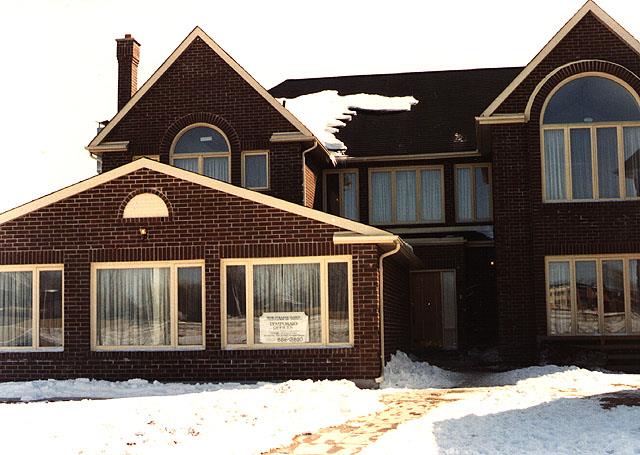
בית הכנסת "בית אברהם יוסף", טורונטו, קנדה, 1984

קהילת יהודי קנדה

קנדה

Canada

מדינה בחלק הצפוני של צפון אמריקה.

המאה ה -21

אוכלוסייה יהודית מוערכת בשנת 2018: 390,000 מתוך 37,000,000 (1%). בקנדה נמצ​​את האוכלוסייה היהודית הרביעית בגודלה בעולם. היא נחשבת בדרך כלל כקהילה היהודית הצומחת הכי מהר מחוץ לישראל. רוב האוכלוסייה היהודית של קנדה מרוכזת באזור הגדול של הערים הגדולות: טורונטו, מונטריאול, ונקובר ואוטווה. קהילות קטנות יותר קיימות בכל רחבי הארץ, כולל ויניפג, רבתי, המכונה באופן מסורתי "ירושלים של קנדה".

המרכז לענייני ישראל והיהדות (CIJA) הוא ארגון הגג העיקרי התומך בפדרציות ובקהילות יהודיות רבות בקנדה. CIJA, שהוקמה ב-2011, איחדה וכללה ארגונים יהודיים שונים, בעיקר הקונגרס היהודי הקנדי לשעבר (CJC).

בעיקר יהודים ממוצא אשכנזי וקהילות ספרדיות ומזרחיות רבות ממוקמות בעיקר באזור מונטריאול רבתי. רוב יהודי קנדה שייכים לזרם המרכזי של היהדות, כאשר התנועות הקונסרבטיביות והאורתודוקסיות חולקות כל אחת כ-40% מהאוכלוסייה היהודית בעוד 20% הנותרים שייכים לתנועה הרפורמית.

Cecil Hart (1883-1940), Canadian ice-hockey player, born in Bedford, Quebec, Canada, a direct descendant of Aaron Hart, one of Canada's first Jewish settlers.

Cecil Hart managed and played for the Star Hockey Club from 1900 to 1922. In 1910 he formed the Montreal City Hockey League and his team were the champions in 1914-1915 and again in 1916-1917. He organized the first international amateur hockey series between Canada and the USA. Entering professional hockey in 1921, Hart purchased the "Montreal Canadians" on behalf of a group of businessmen and became their manager.

Hanane Meier Caiserman (1884–1950), Jewish communal leader, born in Piatra-Neamt, Romania. Caiserman immigrated to Montreal in 1911. A lifelong Labor Zionist, Caiserman was also a union organizer for the Montreal clothing workers and Jewish bakers. During the 1910s, he took a leading role in the strikes for better conditions and union recognition. He also organized and actively promoted Jewish cultural activity, giving evening courses to workers on political economy.

In 1919 he helped organize the Canadian Jewish Congress and was named the organization's general secretary. When the Nazis came to power in Germany he was instrumental in a reorganization of the movement in order to help those refugees who came to Canada. In 1920 Caisermnan established the Jewish Immigrant Aid Society of Canada. He was closely associated with Jewish educational and cultural institutions and supported the establishment of separate Jewish schools in Quebec

Louis Rubenstein (1861-1931), figure skater and politician, born in Montreal, Canada, to parents who had immigrated from Poland. He represented Canada in the 1889 unofficial world championships for figure skating which were held in St Petersburg, Russia, and won the gold medal. Largely as a result of his efforts, the Amateur Skating Association of Canada was formed and he remained its president until his death. After retirement from skating in 1892, Rubenstein became involved in the sports of bowling, curling, and cycling. He was elected president of the Canadian Bowling Association in 1895, president of the International Skating Union of America in 1909. From 1913-1915 he was president of the Montreal amateur Athletic Association. In 1981 he was made a member of the International Jewish Sports Hall of Fame.
He was alderman in St. Louis ward of Montreal from 1916 until 1931.

Aaron Hart (1724-1800), businessman and early settler of Canada, born in London, England, of Bavarian parents. He emigrated to New York,USA, via Jamaica in about 1752 and may have been an officer serving with the British forces and on Amherst’s general staff during the conquest of Canada. Other sources claim that he was a purveyor of goods who followed the troops. A receipt dated 28 March 1761 indicates that he and Eleazar Levy had supplied merchandise to Samuel Jacobs. On 21 October1761 Jacobs wrote to Hart, and thereafter a regular correspondence confirms Aaron Hart’s presence in Trois-Rivières, Quebec, Canada.

On 4 July 1762 a fire broke out in the town and it seems that “Hart, an English Jew suffered losses of [£]400 or 500.” On 23 August1763 the authorities opened a post office at Trois-Rivières “in the house of Mr.Hart, merchant” that was to remain there for seven years. In the summer of 1764 the governor wrote that “the group of British merchants in Trois-Rivières” was “composed of a Jew and of a sergeant and an Irish soldier on half pay.” Hart soon became interested in the fur trade. He engaged the best-known voyageurs in the region and the venture proved lucrative. On 7 February 1764, Aaron Hart acquired his first plot of land, “buying 48 acres from the Fafard de La Framboise estate for the attractive price of £350 in cash. Seven months later he purchased a large section of the seigneury of Bécancour.” As time went by many additional properties were acquired by him.

In 1767, determined not to marry outside the Jewish faith, he went to London to take a wife. On 2 February1768 he married his distant cousin Dorothy Judah. One of Aaron’s brothers, Moses, had already joined him in his ventures; another, Henry, had settled at Albany, New York, and a third, Lemon, was launching the London Red Heart Rum distillery in London. At least two of Dorothy Judah’s brothers, Uriah and Samuel, had gone to Canada ahead of her. Their correspondence indicates that “Mama Judah” lived in New York around 1795. The same letters give information about the close links which joined the couple to the large interrelated circle of Jews in New York. Upon his return from London in the spring of 1768, Aaron rejoined his brother Moses, who had kept watch over his business affairs in Canada. In 1792, after Hart's sons joined the family businesses, they opened a brewery and became active in running the town. By assigning large properties to his sons he forced them to establish themselves at Trois-Rivières. He was reputed to be the wealthiest man in the British colonies. The family remained in Trois Rivieres for some one hundred years.

בית הכנסת "בית אברהם יוסף",
טורונטו, קנדה, 1984
צילום: פול פיליפ בראון, קנדה
(המרכז לתיעוד חזותי ע"ש אוסטר, בית התפוצות,
באדיבות פול פיליפ בראון, קנדה)
בית כנסת האורתודוקסי, ויניפג, קנדה, 1984
(המרכז לתיעוד חזותי ע"ש אוסטר, בית התפוצות)
מעדניה למזון כשר,
טורונטו, קנדה, 1984
צילום: פול פיליפ בראון, קנדה
(המרכז לתיעוד חזותי ע"ש אוסטר, בית התפוצות,
באדיבות פול פיליפ בראון, קנדה)
בית הספר היהודי ע"ש ביאליק,
טורונטו, קנדה, 1984
צילום: פול פיליפ בראון, קנדה
(המרכז לתיעוד חזותי ע"ש אוסטר, בית התפוצות,
באדיבות פול פיליפ בראון, קנדה)

אמה גולדמן (1869 - 1940), פעילה פוליטית, נולדה בקובנה, ליטא, כאשר האיזור היה תחת שלטון האימפריה הרוסית. היא גדלה שם עד 1882, ואז עברה עם משפחתה לסט. פטרבורג, רוסיה. שם היא הכירה לראשונה ברעיונות מהפכניים, שאותם אימצה לכל חייה. היא היגרה לארצות הברית בשנת 1885; בתחילה גרה ברוצ'סטר, ניו יורק, וב- 1888 עברה לגור בניו יורק העיר. נסיונה כפועלת ואי השקט הפוליטי בשיקגו ב-1886 קירבו אותה לחוגים האנרכיסטיים והפכו אותה לפעילה פוליטית. היא הייתה מעורבת בניסיון לרצח, ונעצרה אחרי שקראה להפוך את המשטר ואת השיטה הכלכלית. בתחילת המאה העשרים החלה לערוך את הבטאון "אמא אדמה" - כתב עת קיצוני ששימש במה לרעיונותיה על שחרור האשה, מניעת הריון ורעיונות מהפכניים אחרים. התנגדותה למלחמת העולם הראשונה ולעצם השתתפותה של ארצות הברית במלחמה הביאו לגירושה מארה"ב חזרה לרוסיה (1918), שהייתה אז בעיצומה של המהפכה הבולשביקית ומלחמת האזרחים. אכזבתה מן השלטון הסובייטי לא אחרה לבוא והיא חזרה למערב. היא קיבלה אזרחות בריטית בשנת 1925, ואז היגרה לקנדה, משם קיוותה לחזור לארצות הברית.
בשנות 1930 היא פעלה רבות להסבת תשומת לב הציבור נגד הסכנה הנאצית, והרצתה גם בקנדה וגם באירופה.

Michael Saul Comay (1908-1987), Israeli diplomat, born in Cape Town, South Africa. He studied and practised law in South Africa and then served in the South African infantry during World War II. He saw action against the German army in the North Africa and reached the rank of major. From 1946 to 1948 he represented the South African Zionist Federation in the Jewish Agency's Political Department.

From 1948, after immigrating to the newly established State of Israel, he worked in Israel's Ministry of Foreign Affairs. Comay was Israeli Ambassador to Canada from 1953 to 1957. In 1960 he was appointed Chief Delegate to the United Nations, succeeding Abba Eban, and from 1970 to 1973 he was ambassador to Britain.

מאגרי המידע של אנו
גנאלוגיה יהודית
שמות משפחה
קהילות יהודיות
תיעוד חזותי
מרכז המוזיקה היהודית
מקום
אA
אA
אA
קהילת יהודי קנדה

קנדה

Canada

מדינה בחלק הצפוני של צפון אמריקה.

המאה ה -21

אוכלוסייה יהודית מוערכת בשנת 2018: 390,000 מתוך 37,000,000 (1%). בקנדה נמצ​​את האוכלוסייה היהודית הרביעית בגודלה בעולם. היא נחשבת בדרך כלל כקהילה היהודית הצומחת הכי מהר מחוץ לישראל. רוב האוכלוסייה היהודית של קנדה מרוכזת באזור הגדול של הערים הגדולות: טורונטו, מונטריאול, ונקובר ואוטווה. קהילות קטנות יותר קיימות בכל רחבי הארץ, כולל ויניפג, רבתי, המכונה באופן מסורתי "ירושלים של קנדה".

המרכז לענייני ישראל והיהדות (CIJA) הוא ארגון הגג העיקרי התומך בפדרציות ובקהילות יהודיות רבות בקנדה. CIJA, שהוקמה ב-2011, איחדה וכללה ארגונים יהודיים שונים, בעיקר הקונגרס היהודי הקנדי לשעבר (CJC).

בעיקר יהודים ממוצא אשכנזי וקהילות ספרדיות ומזרחיות רבות ממוקמות בעיקר באזור מונטריאול רבתי. רוב יהודי קנדה שייכים לזרם המרכזי של היהדות, כאשר התנועות הקונסרבטיביות והאורתודוקסיות חולקות כל אחת כ-40% מהאוכלוסייה היהודית בעוד 20% הנותרים שייכים לתנועה הרפורמית.

חובר ע"י חוקרים של אנו מוזיאון העם היהודי
ססיל הראט

Cecil Hart (1883-1940), Canadian ice-hockey player, born in Bedford, Quebec, Canada, a direct descendant of Aaron Hart, one of Canada's first Jewish settlers.

Cecil Hart managed and played for the Star Hockey Club from 1900 to 1922. In 1910 he formed the Montreal City Hockey League and his team were the champions in 1914-1915 and again in 1916-1917. He organized the first international amateur hockey series between Canada and the USA. Entering professional hockey in 1921, Hart purchased the "Montreal Canadians" on behalf of a group of businessmen and became their manager.

חנוך מאיר קייסרמן

Hanane Meier Caiserman (1884–1950), Jewish communal leader, born in Piatra-Neamt, Romania. Caiserman immigrated to Montreal in 1911. A lifelong Labor Zionist, Caiserman was also a union organizer for the Montreal clothing workers and Jewish bakers. During the 1910s, he took a leading role in the strikes for better conditions and union recognition. He also organized and actively promoted Jewish cultural activity, giving evening courses to workers on political economy.

In 1919 he helped organize the Canadian Jewish Congress and was named the organization's general secretary. When the Nazis came to power in Germany he was instrumental in a reorganization of the movement in order to help those refugees who came to Canada. In 1920 Caisermnan established the Jewish Immigrant Aid Society of Canada. He was closely associated with Jewish educational and cultural institutions and supported the establishment of separate Jewish schools in Quebec

לואיס רובנשטיין

Louis Rubenstein (1861-1931), figure skater and politician, born in Montreal, Canada, to parents who had immigrated from Poland. He represented Canada in the 1889 unofficial world championships for figure skating which were held in St Petersburg, Russia, and won the gold medal. Largely as a result of his efforts, the Amateur Skating Association of Canada was formed and he remained its president until his death. After retirement from skating in 1892, Rubenstein became involved in the sports of bowling, curling, and cycling. He was elected president of the Canadian Bowling Association in 1895, president of the International Skating Union of America in 1909. From 1913-1915 he was president of the Montreal amateur Athletic Association. In 1981 he was made a member of the International Jewish Sports Hall of Fame.
He was alderman in St. Louis ward of Montreal from 1916 until 1931.

אהרון הרט

Aaron Hart (1724-1800), businessman and early settler of Canada, born in London, England, of Bavarian parents. He emigrated to New York,USA, via Jamaica in about 1752 and may have been an officer serving with the British forces and on Amherst’s general staff during the conquest of Canada. Other sources claim that he was a purveyor of goods who followed the troops. A receipt dated 28 March 1761 indicates that he and Eleazar Levy had supplied merchandise to Samuel Jacobs. On 21 October1761 Jacobs wrote to Hart, and thereafter a regular correspondence confirms Aaron Hart’s presence in Trois-Rivières, Quebec, Canada.

On 4 July 1762 a fire broke out in the town and it seems that “Hart, an English Jew suffered losses of [£]400 or 500.” On 23 August1763 the authorities opened a post office at Trois-Rivières “in the house of Mr.Hart, merchant” that was to remain there for seven years. In the summer of 1764 the governor wrote that “the group of British merchants in Trois-Rivières” was “composed of a Jew and of a sergeant and an Irish soldier on half pay.” Hart soon became interested in the fur trade. He engaged the best-known voyageurs in the region and the venture proved lucrative. On 7 February 1764, Aaron Hart acquired his first plot of land, “buying 48 acres from the Fafard de La Framboise estate for the attractive price of £350 in cash. Seven months later he purchased a large section of the seigneury of Bécancour.” As time went by many additional properties were acquired by him.

In 1767, determined not to marry outside the Jewish faith, he went to London to take a wife. On 2 February1768 he married his distant cousin Dorothy Judah. One of Aaron’s brothers, Moses, had already joined him in his ventures; another, Henry, had settled at Albany, New York, and a third, Lemon, was launching the London Red Heart Rum distillery in London. At least two of Dorothy Judah’s brothers, Uriah and Samuel, had gone to Canada ahead of her. Their correspondence indicates that “Mama Judah” lived in New York around 1795. The same letters give information about the close links which joined the couple to the large interrelated circle of Jews in New York. Upon his return from London in the spring of 1768, Aaron rejoined his brother Moses, who had kept watch over his business affairs in Canada. In 1792, after Hart's sons joined the family businesses, they opened a brewery and became active in running the town. By assigning large properties to his sons he forced them to establish themselves at Trois-Rivières. He was reputed to be the wealthiest man in the British colonies. The family remained in Trois Rivieres for some one hundred years.

בית הכנסת "בית אברהם יוסף", טורונטו, קנדה, 1984
בית הכנסת "בית אברהם יוסף",
טורונטו, קנדה, 1984
צילום: פול פיליפ בראון, קנדה
(המרכז לתיעוד חזותי ע"ש אוסטר, בית התפוצות,
באדיבות פול פיליפ בראון, קנדה)
בית כנסת האורתודוקסי, ויניפג, קנדה, 1984
(המרכז לתיעוד חזותי ע"ש אוסטר, בית התפוצות)
מעדניה למזון כשר. טורונטו, קנדה, 1984
מעדניה למזון כשר,
טורונטו, קנדה, 1984
צילום: פול פיליפ בראון, קנדה
(המרכז לתיעוד חזותי ע"ש אוסטר, בית התפוצות,
באדיבות פול פיליפ בראון, קנדה)
בית הספר היהודי ע"ש ביאליק, טורונטו, קנדה, 1984
בית הספר היהודי ע"ש ביאליק,
טורונטו, קנדה, 1984
צילום: פול פיליפ בראון, קנדה
(המרכז לתיעוד חזותי ע"ש אוסטר, בית התפוצות,
באדיבות פול פיליפ בראון, קנדה)
אמה גולדמן

אמה גולדמן (1869 - 1940), פעילה פוליטית, נולדה בקובנה, ליטא, כאשר האיזור היה תחת שלטון האימפריה הרוסית. היא גדלה שם עד 1882, ואז עברה עם משפחתה לסט. פטרבורג, רוסיה. שם היא הכירה לראשונה ברעיונות מהפכניים, שאותם אימצה לכל חייה. היא היגרה לארצות הברית בשנת 1885; בתחילה גרה ברוצ'סטר, ניו יורק, וב- 1888 עברה לגור בניו יורק העיר. נסיונה כפועלת ואי השקט הפוליטי בשיקגו ב-1886 קירבו אותה לחוגים האנרכיסטיים והפכו אותה לפעילה פוליטית. היא הייתה מעורבת בניסיון לרצח, ונעצרה אחרי שקראה להפוך את המשטר ואת השיטה הכלכלית. בתחילת המאה העשרים החלה לערוך את הבטאון "אמא אדמה" - כתב עת קיצוני ששימש במה לרעיונותיה על שחרור האשה, מניעת הריון ורעיונות מהפכניים אחרים. התנגדותה למלחמת העולם הראשונה ולעצם השתתפותה של ארצות הברית במלחמה הביאו לגירושה מארה"ב חזרה לרוסיה (1918), שהייתה אז בעיצומה של המהפכה הבולשביקית ומלחמת האזרחים. אכזבתה מן השלטון הסובייטי לא אחרה לבוא והיא חזרה למערב. היא קיבלה אזרחות בריטית בשנת 1925, ואז היגרה לקנדה, משם קיוותה לחזור לארצות הברית.
בשנות 1930 היא פעלה רבות להסבת תשומת לב הציבור נגד הסכנה הנאצית, והרצתה גם בקנדה וגם באירופה.

מיכאל שאול קומיי

Michael Saul Comay (1908-1987), Israeli diplomat, born in Cape Town, South Africa. He studied and practised law in South Africa and then served in the South African infantry during World War II. He saw action against the German army in the North Africa and reached the rank of major. From 1946 to 1948 he represented the South African Zionist Federation in the Jewish Agency's Political Department.

From 1948, after immigrating to the newly established State of Israel, he worked in Israel's Ministry of Foreign Affairs. Comay was Israeli Ambassador to Canada from 1953 to 1957. In 1960 he was appointed Chief Delegate to the United Nations, succeeding Abba Eban, and from 1970 to 1973 he was ambassador to Britain.